
… And for What Purpose?
By Rev. Bob (Robert) Murphy
That’s the question heard on May Day and on other occasions.
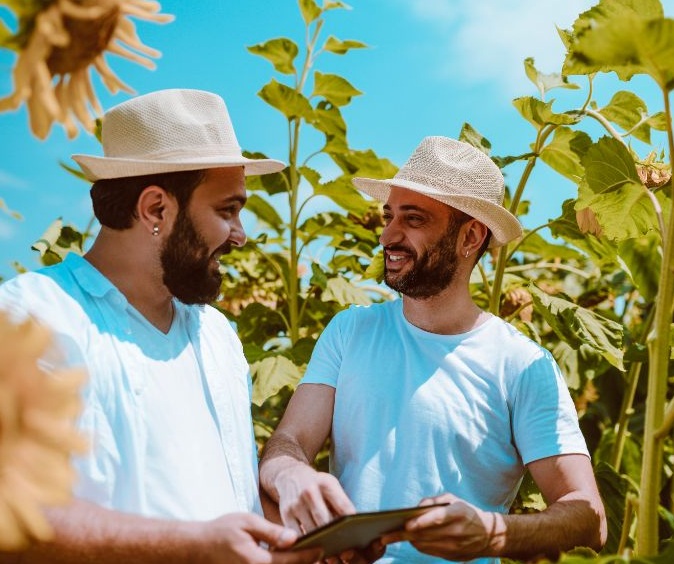 Wealth is extracted from the land and from working people to benefit predatory landlords and corporations. Workers in urban and suburban areas search for affordable, accessible and safe housing. Farm workers and small-scale farmers are often exploited by those with the wealth and power to control the economy. The equitable production and distribution of healthy food is difficult.
A Brief History
May Day is important for those of us who care about social class justice, and it’s important for several reasons. There are many stories to tell. As imperial Rome developed, public lands were often exploited by the wealthy. Class conflict developed. Fines were collected, and part of the money was used to pay for the Floralia. The Floralia celebration took place in late April and in early May. It was a commoners’ (plebian) celebration that was often resented by the elites of the day.
The question of land ownership and control has often been at the heart of radical religion and radical politics. Jesus of Nazareth was a landless peasant in an agrarian society. He was especially concerned about the poor and the dispossessed. During the 1500s and into the 1600s, the Radical Reformation appeared in Europe. The modern understanding of Universalism and Unitarianism evolved from the Radical Reformation. In England, Gerrard Winstanley may have been the first person to identify himself as a Universalist.
The English Civil War (1642-51) was a time of social and economic chaos. The poor begged for food. Gerrard Winstanley, William Everard and others joined the Diggers. The Diggers were religious radicals who reclaimed and cultivated wastelands. Their commune was attacked by wealthy landlords and a coalition of church and state officials.
Has Anything Changed in Modern Times?
Fast forward to modern times. In some places, the first day of May is a springtime holiday. In other places, the first day of May is International Workers’ Day. For a new generation of rebels, the different traditions can be braided together. There’s a need for UU Class Conversations and economic justice. There’s also a need to raise the environmental justice questions that must be addressed at every moment in history. Like the Diggers, keep asking, “Who controls the land and for what purpose? How can people find dignity, equity and happiness in the natural world?”